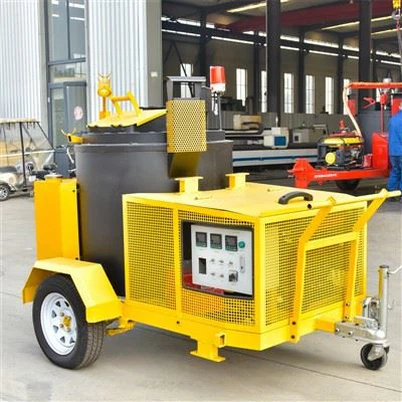
Are small cleaning vehicles suitable for indoor use?
Leave a message

Small cleaning vehicles have emerged as an innovative solution in the realm of cleaning, promising efficiency and convenience. As a supplier of Small Cleaning Vehicle, I am often confronted with the question: Are small cleaning vehicles suitable for indoor use? In this blog, I will delve into this topic from multiple perspectives, offering a comprehensive analysis to help potential customers make informed decisions.
Advantages of Small Cleaning Vehicles for Indoor Use
1. Maneuverability
One of the most significant advantages of small cleaning vehicles is their exceptional maneuverability. These vehicles are designed with a compact structure, allowing them to navigate through narrow corridors, tight corners, and crowded spaces with ease. For large indoor areas such as shopping malls, airports, and exhibition halls, where space is often limited and pedestrians are numerous, the ability to move freely is crucial. Small cleaning vehicles can reach every corner of the indoor environment, ensuring a thorough cleaning without causing disruptions to normal business operations or pedestrian flow.
2. Efficiency
Small cleaning vehicles are equipped with advanced cleaning technologies and powerful suction systems, enabling them to clean large areas in a relatively short time. Compared to traditional manual cleaning methods, which are time - consuming and labor - intensive, small cleaning vehicles can significantly improve cleaning efficiency. For example, in a large supermarket, a small cleaning vehicle can clean the entire floor area in a fraction of the time it would take a team of cleaners using mops and brooms. This not only saves time and labor costs but also ensures a higher level of cleanliness.

3. Environmental Friendliness
Many modern small cleaning vehicles are powered by electric motors, which produce zero emissions during operation. This makes them an environmentally friendly choice for indoor use. In enclosed indoor spaces, air quality is a major concern. Traditional cleaning methods that rely on chemical cleaners and gasoline - powered equipment can release harmful pollutants into the air, posing a threat to human health. Electric small cleaning vehicles, on the other hand, help to maintain a clean and healthy indoor environment by reducing air pollution.
4. Noise Reduction
Indoor environments often require a quiet atmosphere, especially in places like hospitals, libraries, and schools. Small cleaning vehicles are generally designed to operate with low noise levels. This is achieved through the use of advanced motor technology and sound - insulation materials. Unlike some large - scale cleaning equipment that can be very noisy, small cleaning vehicles can perform their tasks without causing significant noise disturbances, allowing people to go about their activities undisturbed.
Challenges and Limitations
1. Cleaning Capacity
Although small cleaning vehicles are efficient for routine cleaning tasks, they may have limitations in terms of their cleaning capacity. For extremely large - scale indoor cleaning projects, such as cleaning the floors of a multi - story office building with a vast area, the limited cleaning width and capacity of small cleaning vehicles may require more time and multiple passes to complete the job. In such cases, larger cleaning equipment or a combination of different cleaning methods may be more appropriate.
2. Surface Compatibility
Not all indoor surfaces are suitable for cleaning with small cleaning vehicles. Some delicate or uneven surfaces, such as antique wooden floors or highly textured carpets, may be damaged by the cleaning mechanisms of small cleaning vehicles. It is essential to ensure that the vehicle is compatible with the specific type of indoor surface before use. Additionally, certain types of stains or debris may require specialized cleaning techniques that small cleaning vehicles may not be able to handle effectively.
3. Maintenance and Storage
Like any other equipment, small cleaning vehicles require regular maintenance to ensure their proper functioning. In an indoor environment, finding a suitable storage space for the vehicle can also be a challenge, especially in areas where space is at a premium. Moreover, the maintenance of small cleaning vehicles may require specialized knowledge and tools, which may increase the overall cost of ownership.
Considerations for Indoor Use
1. Space and Layout
Before deciding to use a small cleaning vehicle indoors, it is important to assess the available space and layout of the area. Measure the width of corridors, doorways, and aisles to ensure that the vehicle can pass through easily. Consider the presence of obstacles such as columns, display stands, and furniture, and plan the cleaning route accordingly.
2. Cleaning Requirements
Identify the specific cleaning requirements of the indoor area, including the type of surface, the level of dirt and debris, and the frequency of cleaning. This will help you choose the most suitable small cleaning vehicle with the appropriate cleaning functions and capabilities. For example, if the area has a lot of dust, a vehicle with a powerful suction system may be required.
3. Safety
Safety is of utmost importance when using small cleaning vehicles indoors. Ensure that the vehicle is equipped with necessary safety features such as emergency stop buttons, headlights, and horn. Train the operators on proper safety procedures to prevent accidents and injuries.
Related Products Introduction
In addition to our Small Cleaning Vehicle, we also offer a range of other high - quality road maintenance vehicles. For example, our New Energy Road Maintenance Vehicle is an eco - friendly option for outdoor road cleaning and maintenance. It combines advanced new energy technology with reliable performance, providing an efficient solution for keeping roads clean.
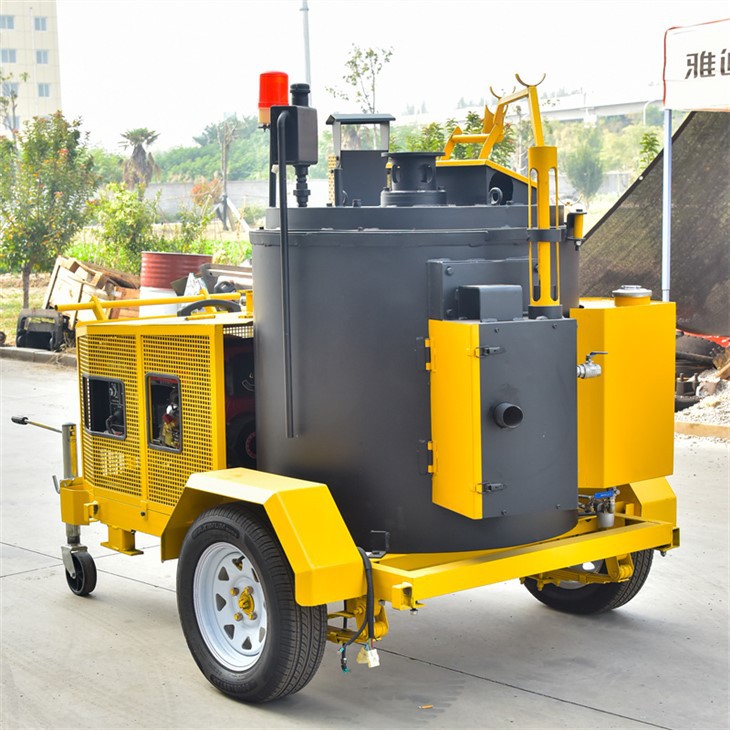
Another product worth mentioning is our Asphalt Recycling and Maintenance Vehicle 2000L. This vehicle is designed to recycle and maintain asphalt, which is an important part of road construction and repair. It can help to reduce costs and environmental impact by reusing asphalt materials.
Conclusion
In conclusion, small cleaning vehicles can be a suitable choice for indoor use, offering significant advantages in terms of maneuverability, efficiency, environmental friendliness, and noise reduction. However, they also come with certain challenges and limitations, such as cleaning capacity, surface compatibility, and maintenance requirements. By carefully considering the specific needs of the indoor area, including space, cleaning requirements, and safety, potential customers can determine whether a small cleaning vehicle is the right solution for them.
If you are interested in our Small Cleaning Vehicle or other related products, please feel free to contact us for more information and to discuss your procurement needs. We are committed to providing high - quality products and excellent service to meet your cleaning and road maintenance requirements.
References
- Cleaning Equipment Manufacturer's Association. Guidelines for Indoor Cleaning Equipment Selection.
- Environmental Protection Agency. Standards for Indoor Air Quality and Cleaning Equipment.
- National Institute for Occupational Safety and Health. Safety Recommendations for Operating Cleaning Vehicles Indoors.