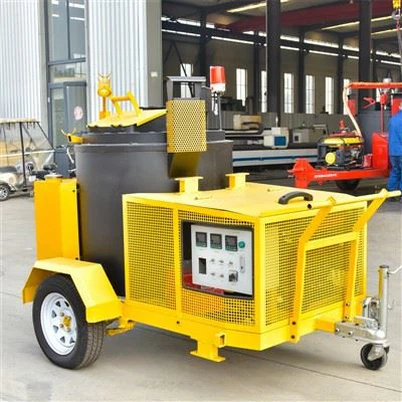
What parts of a road repair machine need to be replaced regularly?
Leave a message

As a seasoned supplier of road repair machines, I've witnessed firsthand the critical role these machines play in maintaining our infrastructure. Road repair machines are constantly subjected to harsh working conditions, including heavy loads, high temperatures, and abrasive materials. Over time, certain parts of these machines will wear out and need to be replaced regularly to ensure optimal performance and safety. In this blog post, I'll discuss the key components of a road repair machine that require routine replacement and explain why it's essential to stay on top of maintenance.
1. Cutting Blades
Cutting blades are a fundamental part of many road repair machines, especially those used for milling or cutting through asphalt and concrete. These blades are exposed to extreme friction and wear as they slice through hard surfaces, and over time, their cutting edges will become dull and less effective. Dull blades not only reduce the efficiency of the machine but also increase the risk of uneven cuts and damage to the road surface.
Regularly replacing cutting blades is crucial to maintaining the quality of the road repair work. When blades are sharp, they can make clean, precise cuts, which are essential for proper pavement repair and resurfacing. Depending on the frequency of use and the type of materials being cut, cutting blades may need to be replaced every few weeks or months. It's important to follow the manufacturer's recommendations for blade replacement intervals and to use high-quality blades that are designed for the specific application.
2. Conveyor Belts
Conveyor belts are used in road repair machines to transport materials such as asphalt, gravel, and debris. These belts are subjected to constant stress and friction as they move heavy loads, and they can wear out over time. Signs of a worn conveyor belt include cracking, fraying, and stretching. A damaged conveyor belt can cause material spillage, reduce the efficiency of the machine, and even pose a safety hazard.


To prevent these issues, conveyor belts should be inspected regularly for signs of wear and tear. If any damage is detected, the belt should be replaced immediately. It's also important to keep the conveyor belt clean and properly tensioned to ensure smooth operation. By replacing conveyor belts at the first sign of damage, you can avoid costly downtime and ensure that your road repair machine continues to operate at peak performance.
3. Hydraulic Hoses
Hydraulic systems are used in many road repair machines to power various components, such as lifts, rams, and cylinders. Hydraulic hoses are responsible for carrying the hydraulic fluid from the pump to the different parts of the system. These hoses are exposed to high pressure and temperature fluctuations, which can cause them to deteriorate over time.
Cracked, leaking, or damaged hydraulic hoses can lead to a loss of hydraulic pressure, which can affect the performance of the machine. In some cases, a ruptured hose can even cause a hydraulic fluid leak, which is not only a safety hazard but also an environmental concern. To prevent these issues, hydraulic hoses should be inspected regularly for signs of damage, such as cracks, bulges, or leaks. Any damaged hoses should be replaced immediately with high-quality hoses that are compatible with the machine's hydraulic system.
4. Filters
Filters are an essential part of a road repair machine's engine and hydraulic systems. They are responsible for removing contaminants, such as dirt, dust, and debris, from the fuel, oil, and hydraulic fluid. Over time, filters can become clogged with these contaminants, which can reduce the efficiency of the machine and cause damage to the engine and other components.
Regularly replacing filters is crucial to maintaining the health of the machine's engine and hydraulic systems. Depending on the type of filter and the operating conditions, filters may need to be replaced every few hundred hours of use or according to the manufacturer's recommendations. Using high-quality filters that are designed for the specific application can help to ensure that the machine's systems are protected from contaminants and operate at peak performance.
5. Tires
Tires are a critical component of road repair machines, as they provide the necessary traction and support for the machine to move safely and efficiently. Tires are subjected to a lot of wear and tear, especially when operating on rough or uneven surfaces. Over time, the tread on the tires will wear down, which can reduce traction and increase the risk of accidents.
Regularly inspecting the tires for wear and damage is essential to ensuring the safety of the machine and its operators. Tires should be replaced when the tread depth reaches the minimum recommended level or if there are signs of damage, such as cuts, bulges, or punctures. It's also important to maintain the proper tire pressure to ensure optimal performance and to prevent premature tire wear.
6. Spark Plugs
In road repair machines that are powered by gasoline or diesel engines, spark plugs play a crucial role in the combustion process. Spark plugs are responsible for igniting the fuel-air mixture in the engine's cylinders, which creates the power needed to operate the machine. Over time, spark plugs can become fouled or worn, which can cause misfires, reduced engine performance, and increased fuel consumption.
Regularly replacing spark plugs is essential to maintaining the efficiency and reliability of the machine's engine. Depending on the type of engine and the operating conditions, spark plugs may need to be replaced every few thousand hours of use or according to the manufacturer's recommendations. Using high-quality spark plugs that are designed for the specific engine can help to ensure that the engine operates smoothly and efficiently.
Why Regular Replacement Matters
Regularly replacing the worn parts of a road repair machine is not only important for maintaining its performance but also for ensuring the safety of the operators and the quality of the road repair work. Worn or damaged parts can cause the machine to malfunction, which can lead to accidents, injuries, and costly repairs. By staying on top of maintenance and replacing parts as needed, you can minimize downtime, extend the lifespan of the machine, and ensure that it continues to operate at peak performance.
Explore Our Road Repair Machines
At [Our Company], we offer a wide range of high-quality road repair machines, including the Asphalt Curing Vehicle 800L and the New Energy Road Maintenance Vehicle. Our machines are designed to meet the needs of various road repair applications and are built to last. We also provide comprehensive maintenance and support services to ensure that your machines continue to operate at peak performance.
If you're interested in learning more about our road repair machines or have any questions about parts replacement and maintenance, please don't hesitate to contact us. We're here to help you find the right solutions for your road repair needs and to ensure that your machines are always in top condition.
Conclusion
In conclusion, regular replacement of the key parts of a road repair machine is essential to maintaining its performance, safety, and reliability. By understanding which parts need to be replaced regularly and following the manufacturer's recommendations for maintenance, you can ensure that your road repair machine continues to operate at peak performance and provide high-quality road repair services. If you have any questions or need further information about road repair machines or parts replacement, please feel free to contact us. We're here to help you keep your machines running smoothly and efficiently.
References
- Manufacturer's manuals for road repair machines
- Industry standards and best practices for road repair machine maintenance
- Technical articles and research papers on road repair machine components and their performance