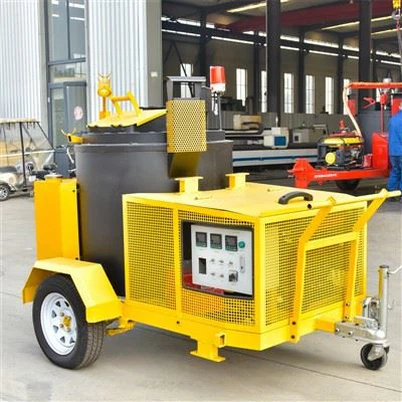
What is the inspection and maintenance interval of China Road Repair Vehicles?
Leave a message

Hey there! As a supplier of China Road Repair Vehicles, I often get asked about the inspection and maintenance intervals for these machines. It's a crucial topic because proper inspection and maintenance can significantly extend the lifespan of the vehicles, improve their performance, and ensure the safety of the operators. So, let's dive right in and explore this topic in detail.
Why Inspection and Maintenance Matter
First off, why is inspection and maintenance so important for road repair vehicles? Well, these vehicles are constantly exposed to harsh working conditions. They operate on rough terrains, are often used in extreme weather conditions, and carry out heavy - duty tasks. Without regular check - ups and maintenance, small issues can quickly turn into major problems, leading to breakdowns, costly repairs, and even accidents.
For example, a Road Maintenance Truck Road Maintenance Truck is used for a variety of tasks such as filling potholes, applying asphalt, and cleaning the road surface. If its hydraulic system isn't inspected regularly, a small leak could lead to a complete failure of the system, halting the repair work.
General Inspection Intervals
Let's start with the general inspection intervals for different types of road repair vehicles.
Daily Inspections
Daily inspections are a must - do for all road repair vehicles. Before starting the day's work, the operator should conduct a quick walk - around inspection. This includes checking the tires for proper inflation and any signs of damage, looking at the fluid levels (such as engine oil, coolant, and hydraulic fluid), and ensuring that all lights and signals are working properly.
For a Road Clearing Vehicle Road Clearing Vehicle, which is used to remove debris from the road, daily inspection is crucial to make sure that the sweeping brushes are in good condition, the suction system is working, and there are no loose parts that could fall off during operation.
Weekly Inspections
On a weekly basis, a more in - depth inspection should be carried out. This involves checking the brakes, steering system, and suspension components. The operator should also inspect the vehicle's electrical system, looking for any loose connections or frayed wires.
For a Road Repair Machine Road Repair Machine, weekly inspections might include checking the condition of the cutting blades, the alignment of the working parts, and the calibration of any sensors or meters.
Monthly Inspections
Monthly inspections are even more comprehensive. At this time, the engine should be inspected for any signs of wear or damage. The air filters, fuel filters, and oil filters should be checked and replaced if necessary. The vehicle's chassis should also be inspected for rust or corrosion, especially if the vehicle is often used in wet or salty environments.
Maintenance Intervals
Now, let's talk about the maintenance intervals.
Engine Maintenance
The engine is the heart of any road repair vehicle, and it needs regular maintenance. For most engines, an oil change is recommended every 50 - 100 hours of operation or every three months, whichever comes first. The spark plugs should be replaced every 100 - 200 hours of operation, depending on the type of engine.
The fuel injection system should be cleaned every 300 - 500 hours of operation to ensure optimal fuel efficiency and performance.
Hydraulic System Maintenance
If the vehicle has a hydraulic system, like many road repair vehicles do, it requires special attention. The hydraulic fluid should be changed every 200 - 300 hours of operation. The filters in the hydraulic system should be replaced every 100 - 150 hours to prevent contaminants from damaging the system.
Tire Maintenance
Tires are another important component. They should be rotated every 500 - 1000 miles to ensure even wear. The tire tread depth should be checked regularly, and the tires should be replaced when the tread depth reaches the minimum legal limit.
Factors Affecting Inspection and Maintenance Intervals
It's important to note that the inspection and maintenance intervals I've mentioned are general guidelines. There are several factors that can affect these intervals.
Operating Conditions
If the road repair vehicle is used in extremely dusty or dirty environments, the air filters may need to be replaced more frequently. Similarly, if the vehicle is used in hilly or mountainous areas, the brakes and transmission may experience more wear and require more frequent inspections.
Usage Frequency
Vehicles that are used more frequently will naturally require more frequent inspections and maintenance. For example, a road repair vehicle that is used 8 hours a day, 5 days a week will need more attention than one that is used only occasionally.


Quality of Parts
The quality of the parts used in the vehicle also matters. High - quality parts may last longer and require less frequent replacement, while lower - quality parts may need to be replaced more often.
Importance of Record - Keeping
As a supplier, I always recommend keeping detailed records of all inspections and maintenance activities. This helps in tracking the vehicle's history, identifying any recurring problems, and planning for future maintenance. It also provides valuable information in case of warranty claims or when selling the vehicle.
Conclusion
In conclusion, proper inspection and maintenance of China Road Repair Vehicles are essential for their reliable operation, longevity, and safety. By following the recommended inspection and maintenance intervals and taking into account the various factors that can affect them, you can ensure that your road repair vehicles are always in top - notch condition.
If you're in the market for high - quality road repair vehicles or need more information about inspection and maintenance, feel free to reach out. We're here to help you make the best choices for your road repair needs.
References
- Industry standards for road repair vehicle maintenance
- Manufacturer's manuals for various road repair vehicles